KHARKIV
On a hill between four rivers a fortress rose — and a city grew that cannot be erased.
Prologue
From a fortress on an empty hill to a city of a million — three and a half centuries.
Fairs and chumak trade routes. A university that was never supposed to be here. Railways, banks, factories. Ten years as a capital. A war that swept through the streets four times. Rebuilding. And war again.
Each time the city answered in the same way — by building.
How the city changed over the years…
The Shteifon trading house on the corner of Kvitky-Osnovianenka Street and Soborny Lane in Kharkiv, early 20th century.
1799
The city outgrew its fortress: the ramparts were levelled, and the Netecha river went underground.
The Netecha was hidden underground back then. These frames are a hundred years later: where it once flowed there are now embankments, boats and oars. Today four rivers run through the city — the Udy, the Lopan, the Kharkiv and the Nemyshlia. The Netecha is not among them.
1805
Vasyl Karazin achieved the impossible: a university — in a steppe town that still remembered the palisade.
1890–1905The university opened in 1805, before photography existed: the earliest photographs of its buildings date from the late 19th century.
1890–1905
1890–1905
1820
Provincial Kharkiv: the Assembly of the Nobility — columns, symmetry, dignity.
Here the city learned to be a provincial capital. The same square today is Constitution Square.
1890–1905This stop is about provincial Kharkiv of the 1820s. No images of these squares survive from that time, so we show the earliest known postcards — 70 to 90 years later.
Southern part. 1900–1910
1869
On 22 May 1869 the first train arrived — and brought an era with it. Alchevsky builds an empire alongside the city.
The train came — and brought an era: banks, a stock exchange, factories. The city learns to count money and to build with it.
Early 20th centuryThe same building as at the start of the film, from another angle: a notary's office, the Singer shop, bank signboards.
1908
Beketov builds the face of the city: a bank that children today call the Palace of Fairy Tales.
Art Nouveau 1908–1914: the Astoria, the synagogue, the Wedding Palace. And on Darwin Street there still stands a house where the architect's descendants live.
Pavlivska Square. 1910sBuilt in 1910–1913 to a design by O. Rzhepishevsky and M. Vasyliev — the first building in Kharkiv with a monolithic reinforced-concrete frame. This stop covers the Art Nouveau years 1908–1914.
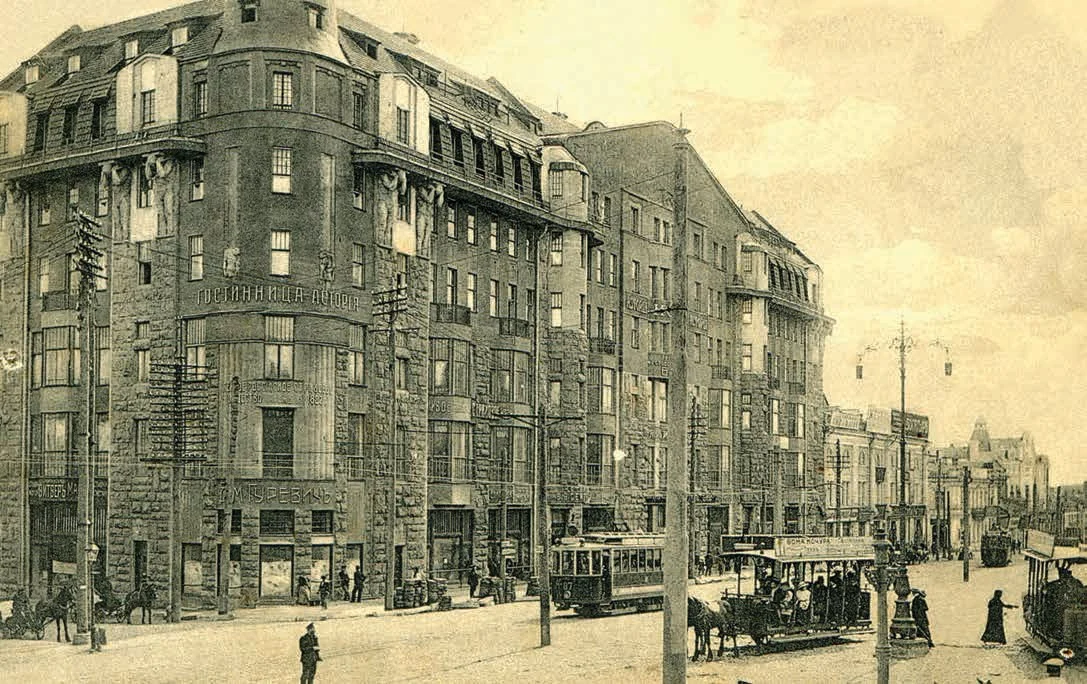
1910s
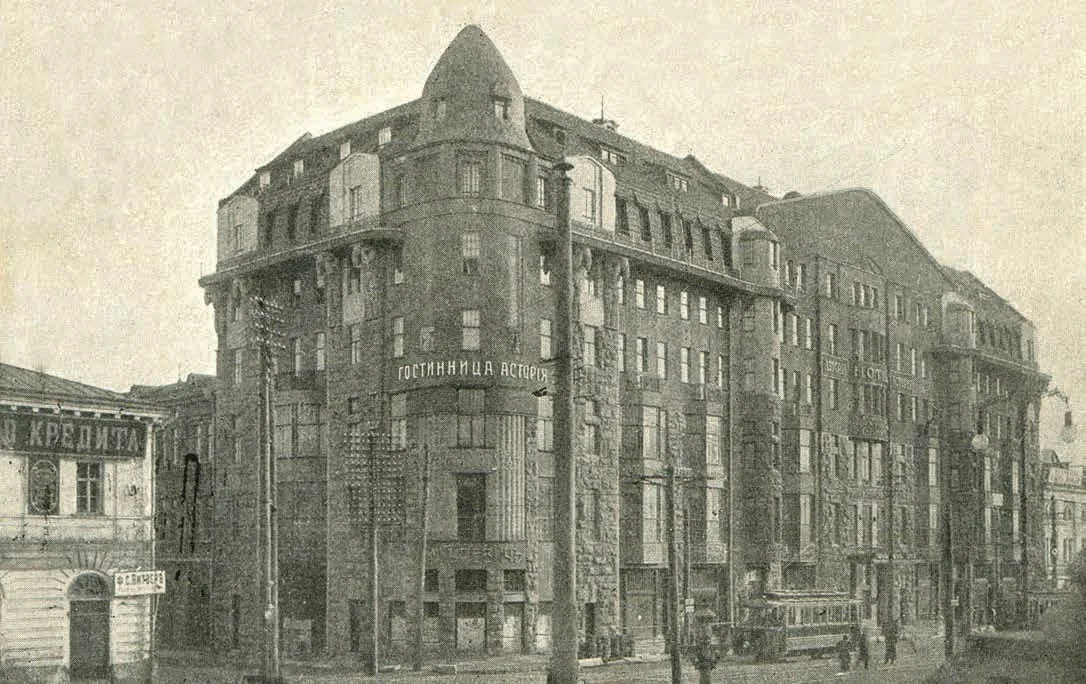
1910s
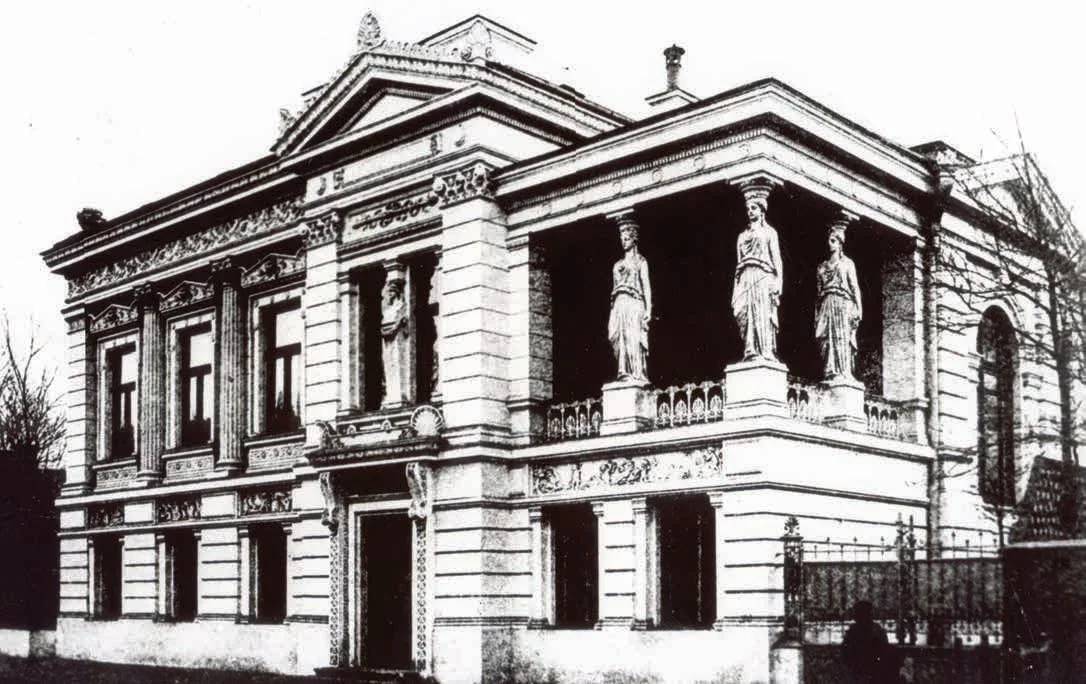
1900s–1910s
1925
Capital-city Kharkiv builds the future: Derzhprom — the country's first skyscraper. Europe came to look.
A pit, a frame, a finished giant — ten years in which the city built like no one else in the country. It is still called the capital of constructivism.
1926–1928Founded in 1925, completed on 7 November 1928. The stop is dated by the year of foundation; the frame shows construction in full swing.
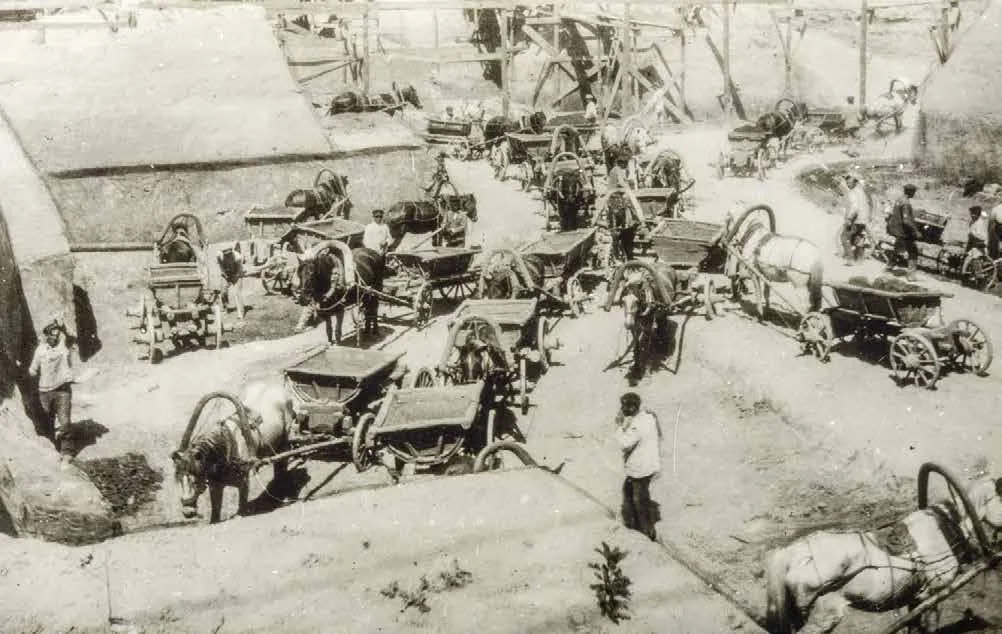
1925–1926The pit was dug by hand; the earth was carted away by horse.
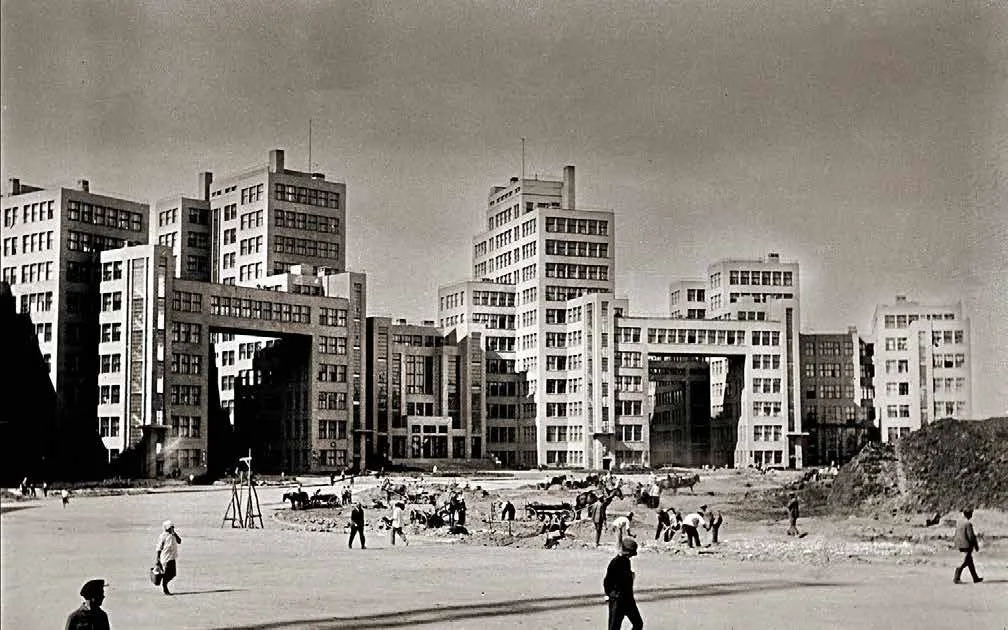
Late 1920sToday this is Freedom Square; in the frame the square is still being laid out.
1926. The city built itself a stadium — and has been cheering for a hundred years. Metalist is architecture too. The architecture of character.
Match against Spartak Moscow. Early 1980sThe stadium opened on 12 September 1926. This frame belongs to a later era: a banner for the 26th Congress of the CPSU dates it to 1981 or later.
1943
The front line passed through the city four times. Kharkiv lay in ruins.
On 23 August 1943 the city met its liberation burnt, emptied — and alive.
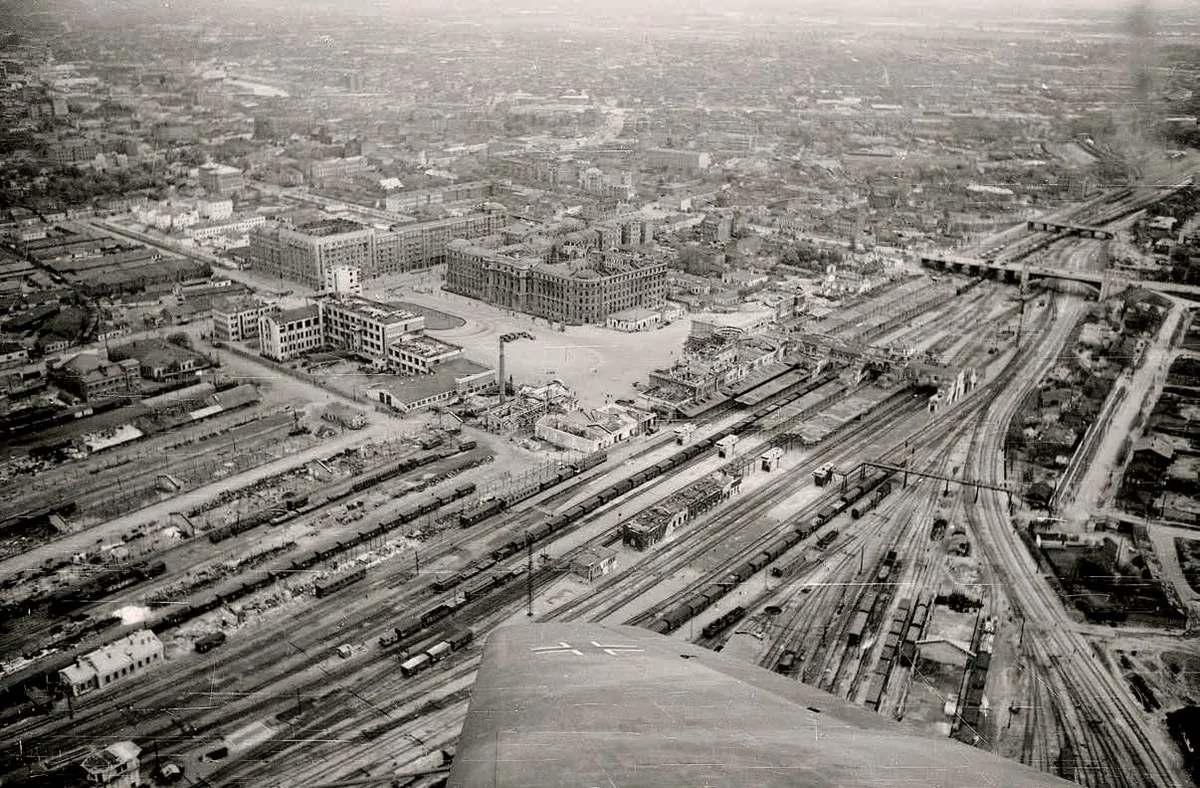
1941–1943Taken from a German aircraft — the beam cross is visible on the wing.
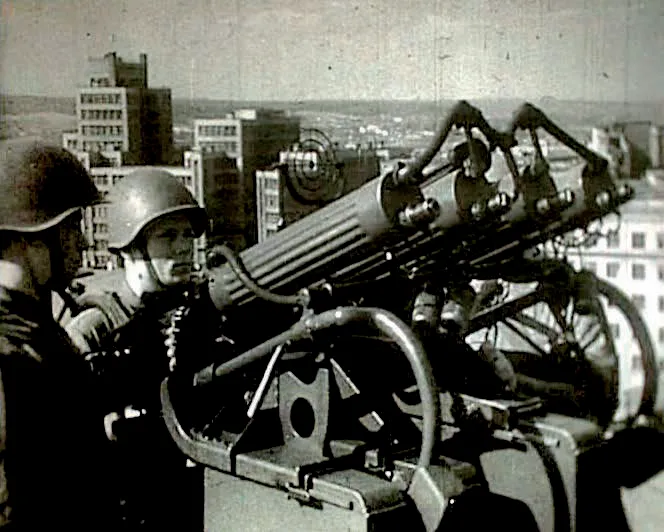
Derzhprom in the background. 1941–1943
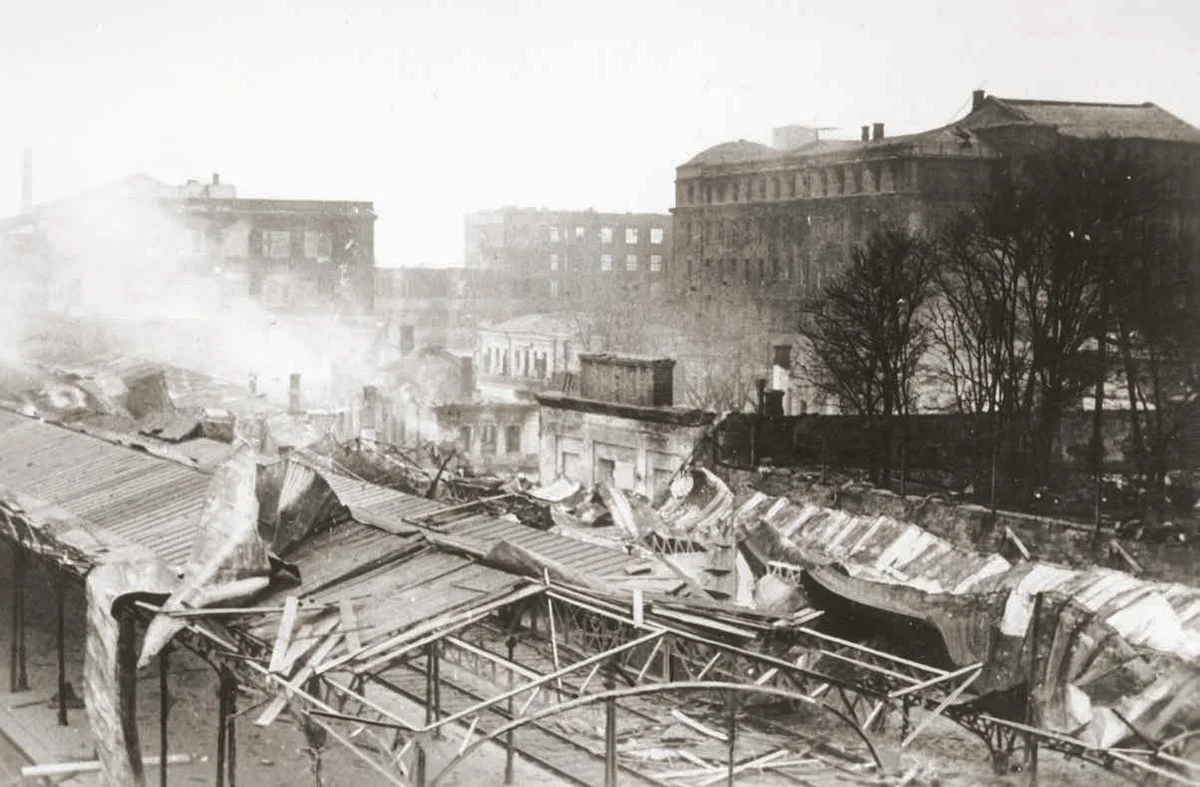
1943
1952
The city answered by building: a new railway station — bigger than before.
Destroyed, in scaffolding, new. That is the custom here: to answer by building.
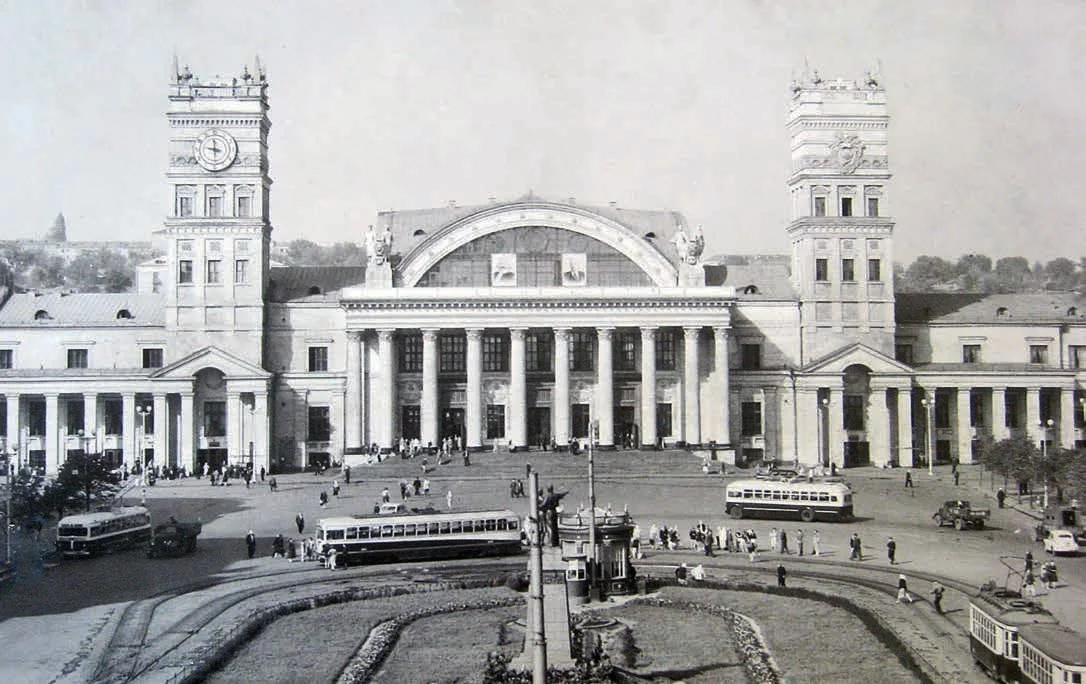
1950s
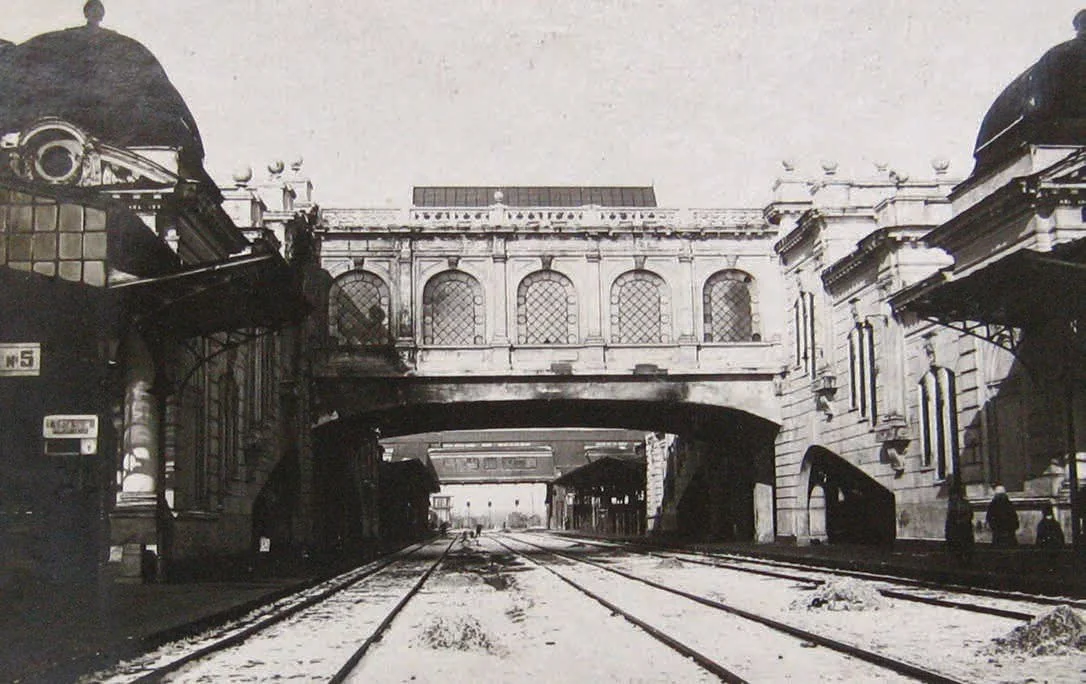
Passage to the platforms. 1900–1905This is the previous station — the one that stood here before the war. It was destroyed in 1943, and the new one was built on the same site.
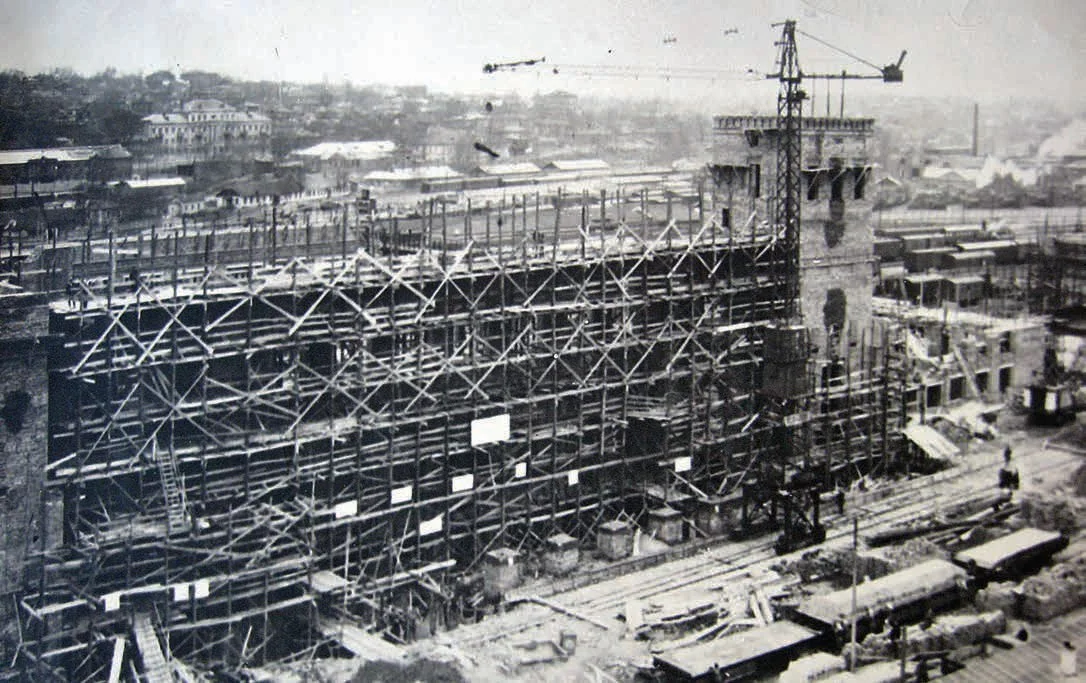
1950–1952Construction ran from early 1950; the station opened on 2 November 1952.
1975
The city dives underground — where the Netecha once flowed, trains now fly.
Zavod imeni Malysheva station of the Kharkiv Metro on 23 August 1975, the day the first line opened.
Zavod imeni Malysheva station. 1975
2021
The city knows how to grow young: parks, embankments — and 102 metres of sky above Kharkiv.
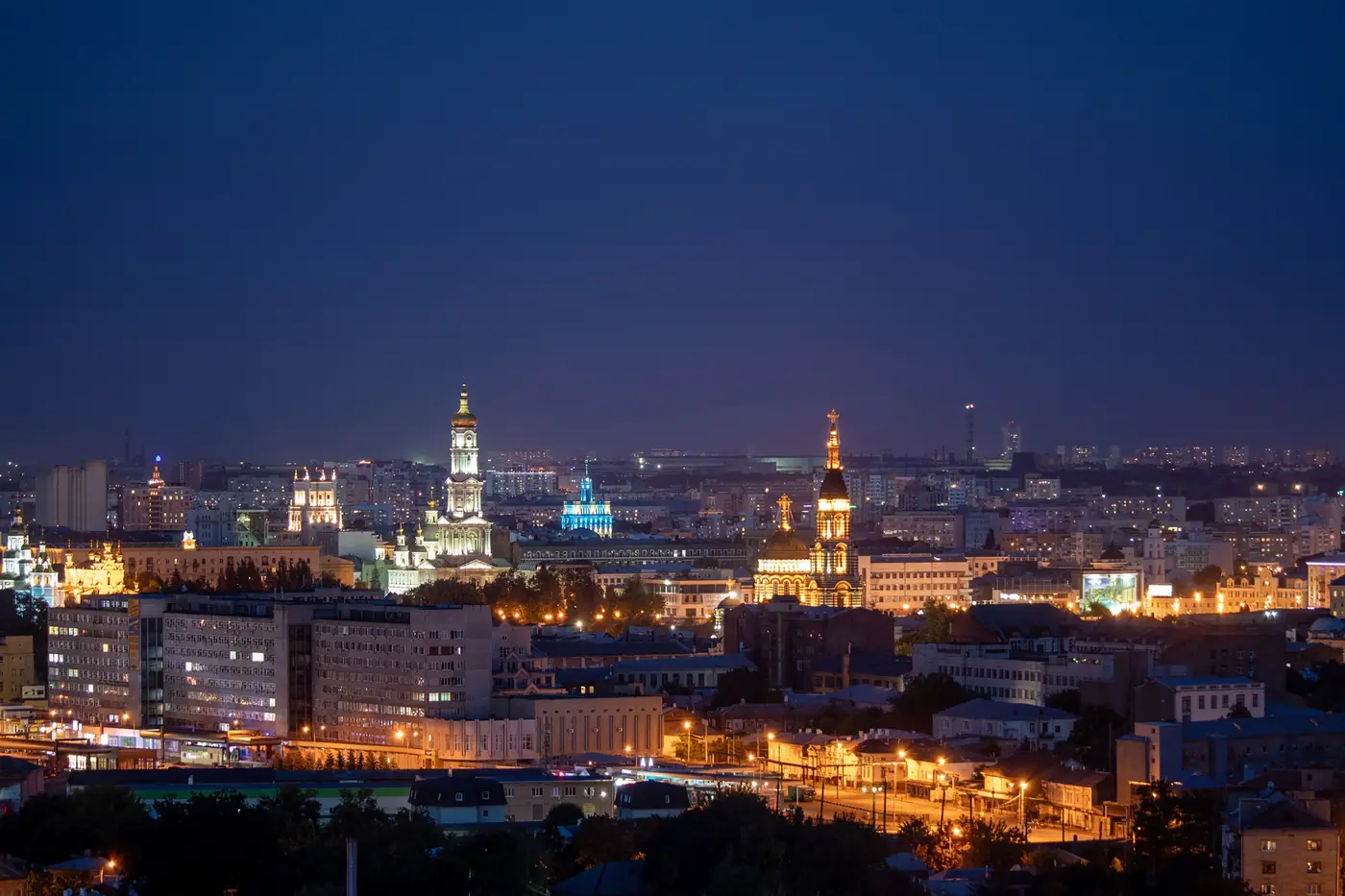
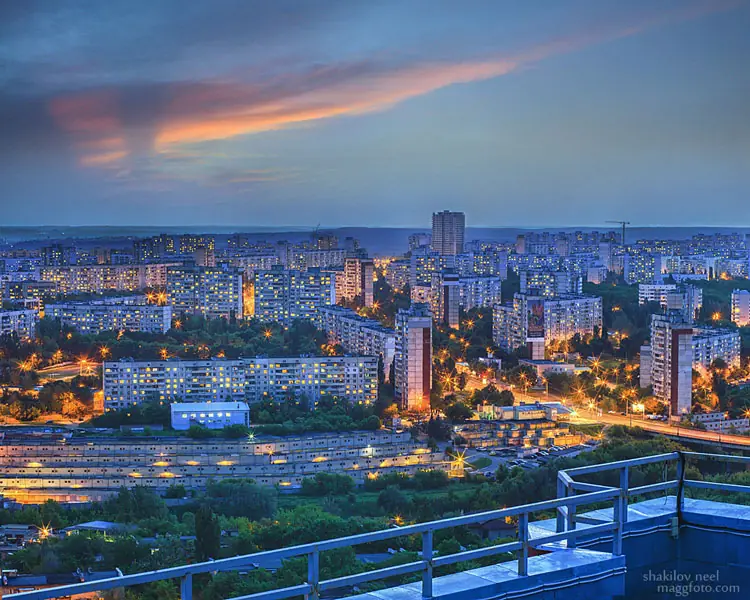
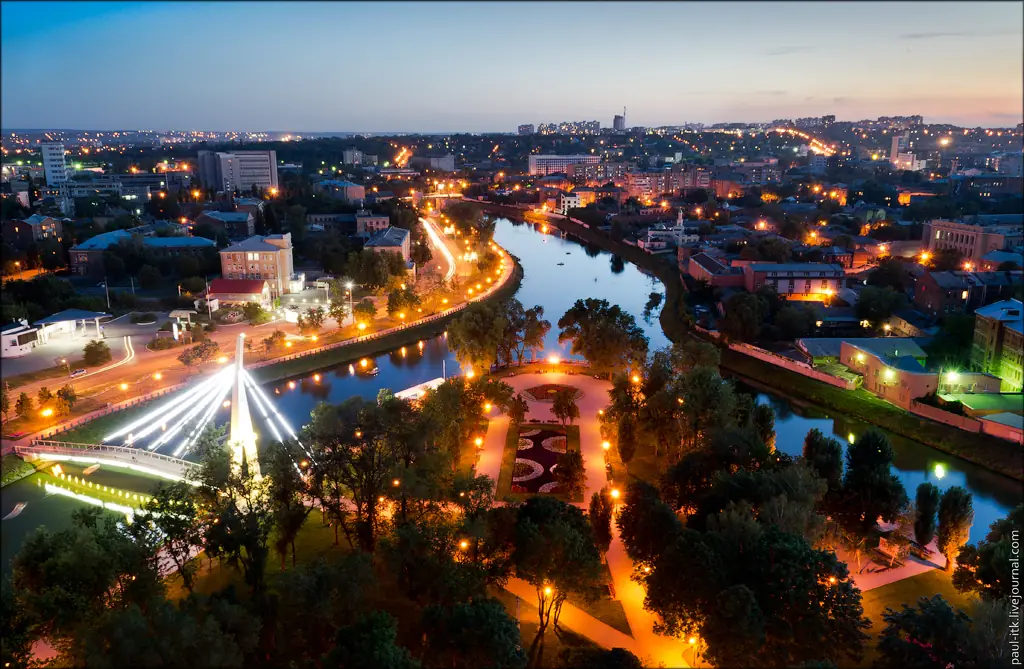
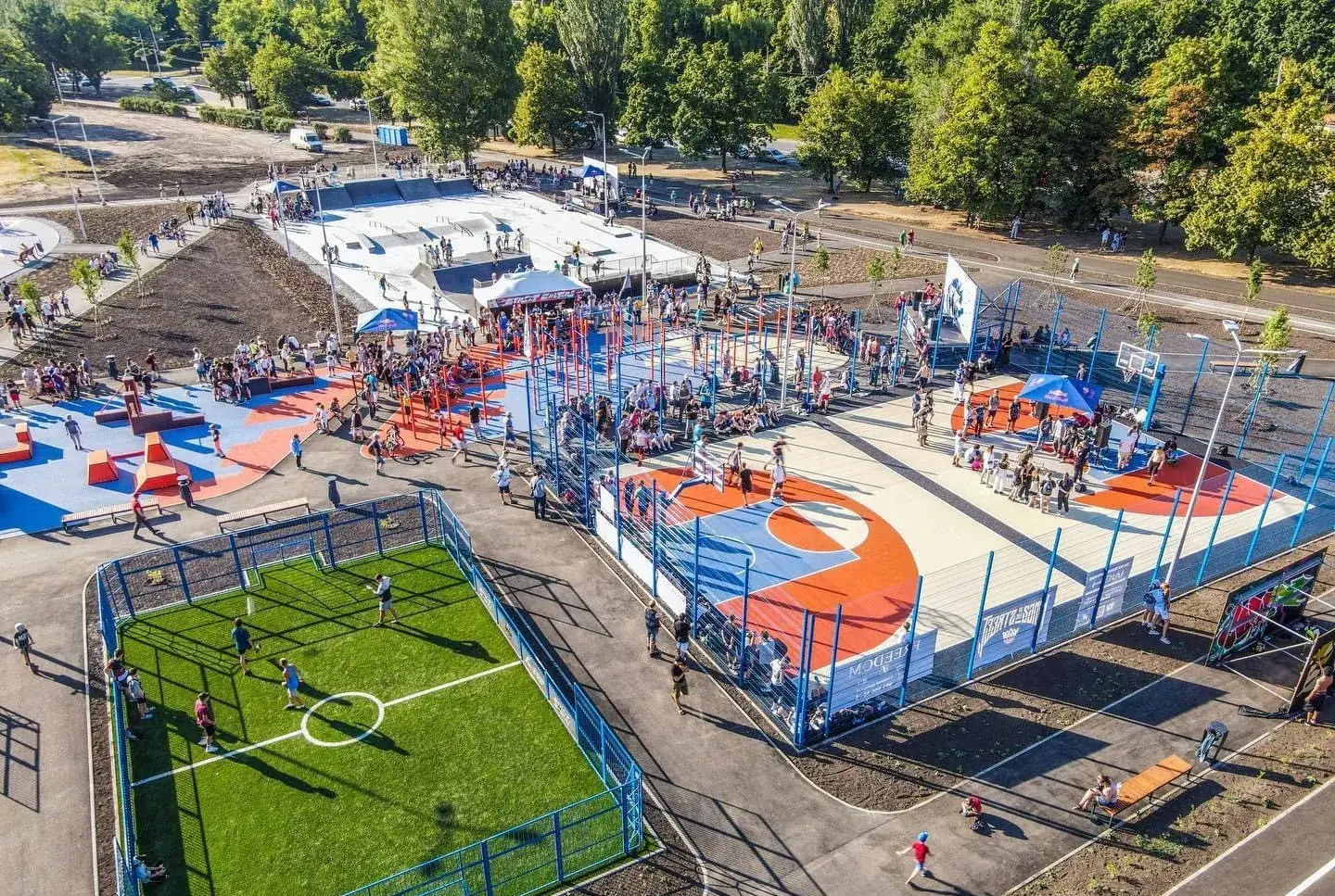
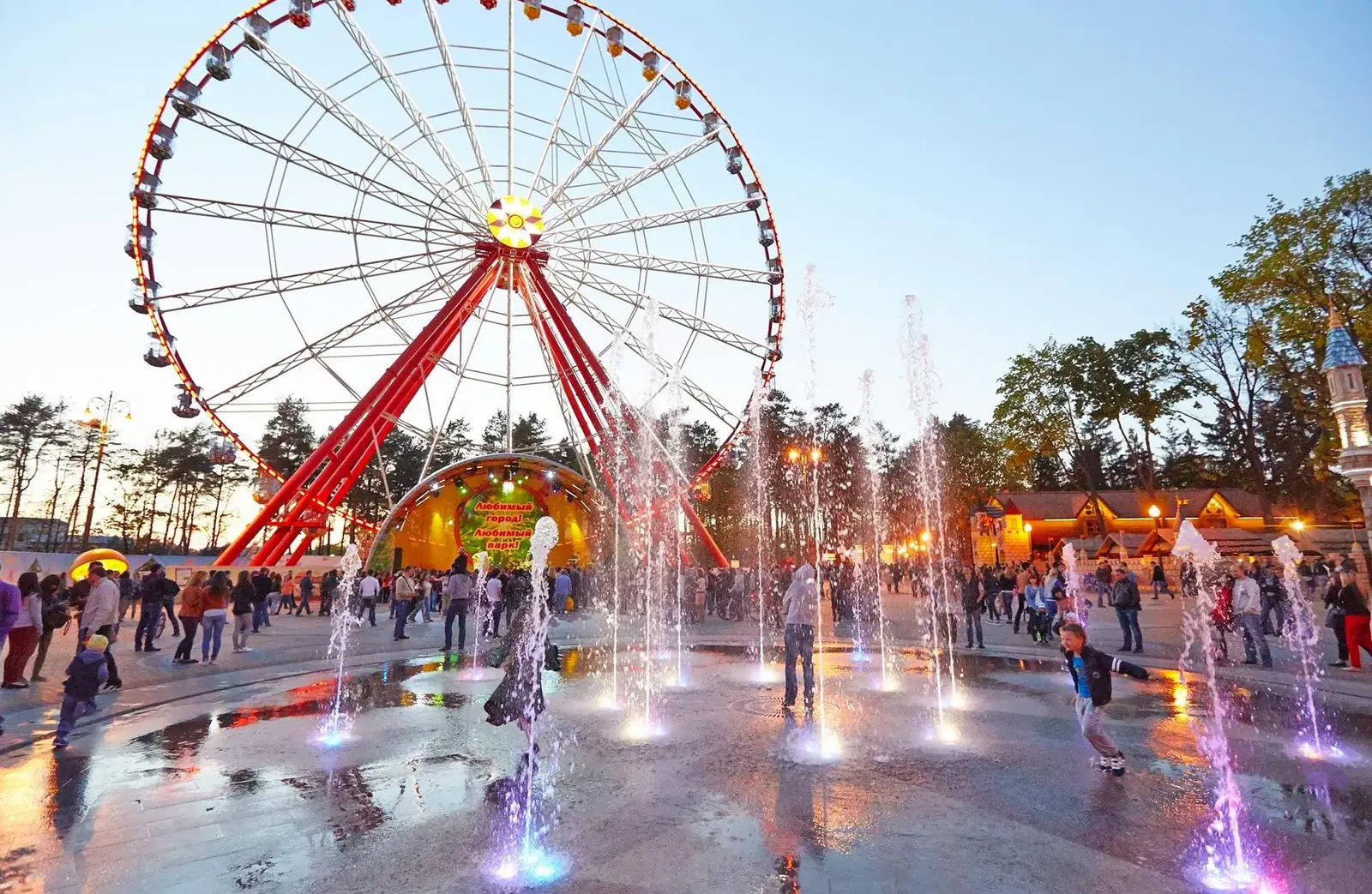
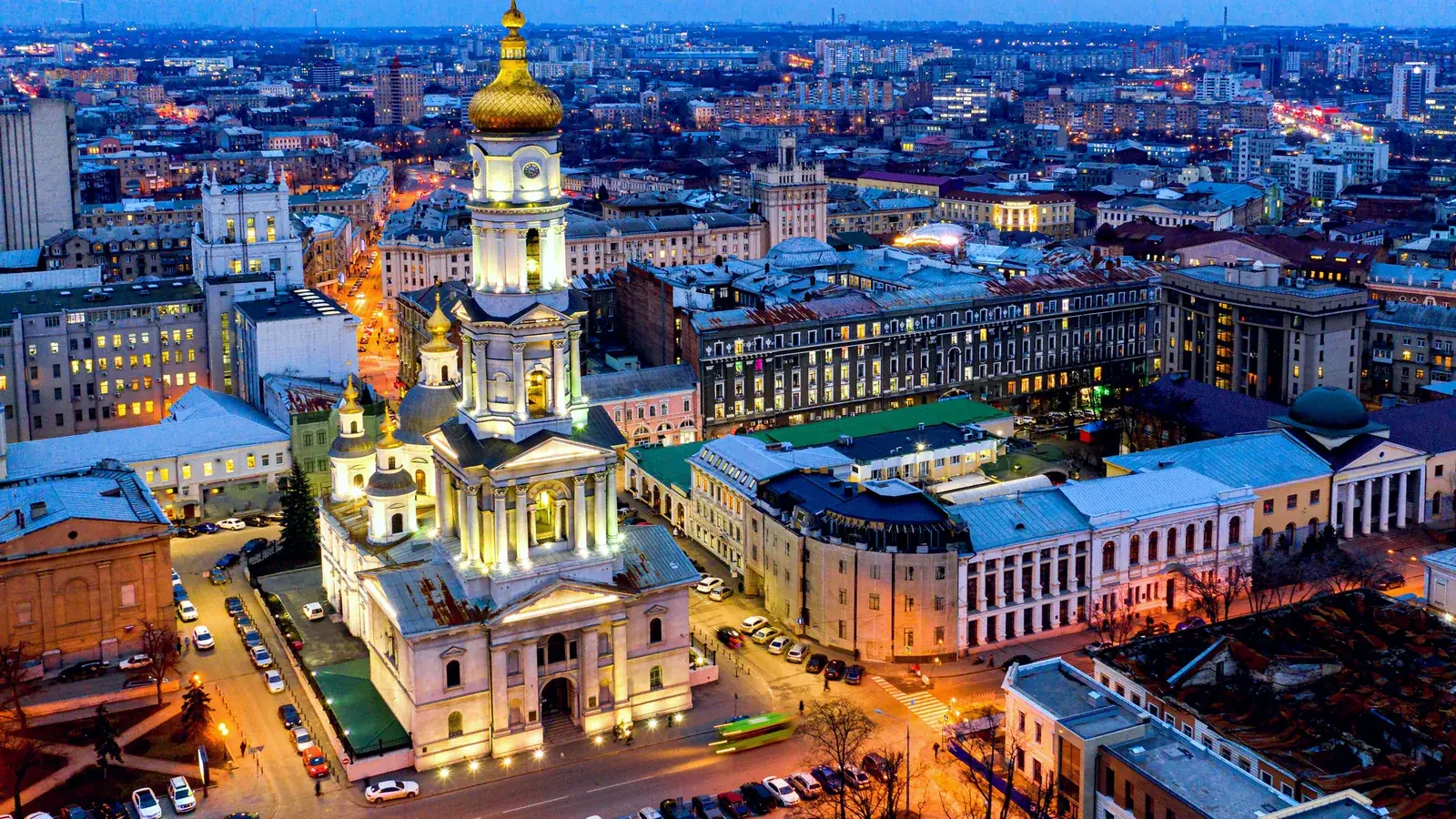
2026
Today. Now this frame holds you.
This city has lived through war before.
And it has won before.
There is a city that cannot be erased.
Editions
The frames of this film come from real books. You can leaf through them or hold them in your hands.
-
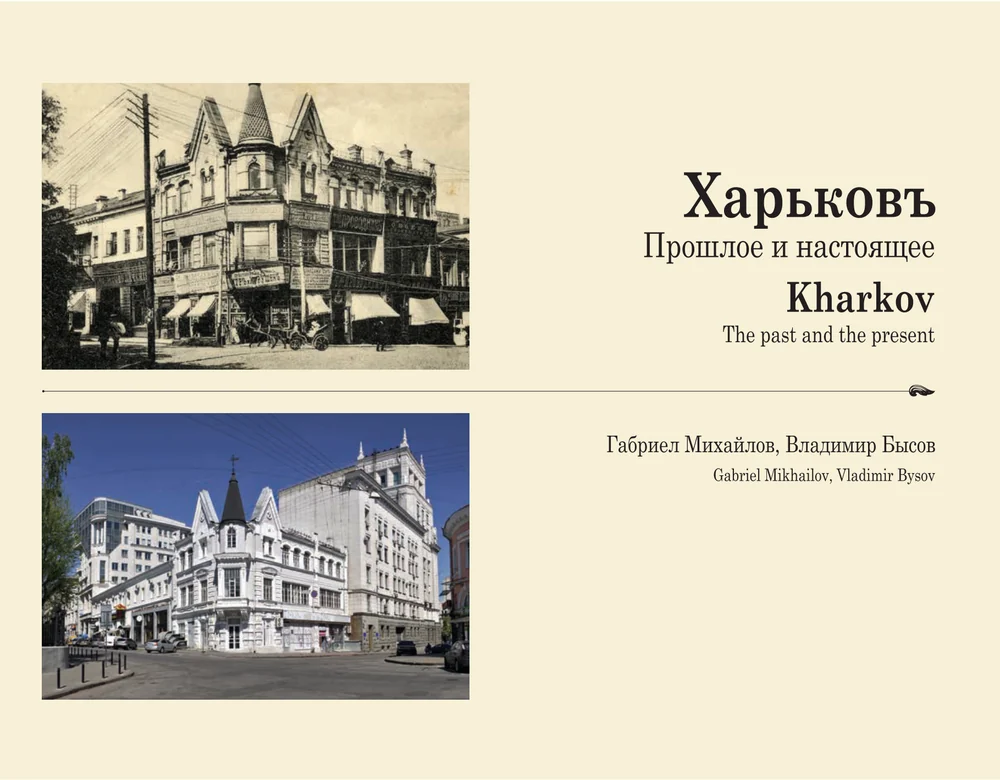
Kharkiv. Past and Present
Gabriel Mykhailov, Volodymyr Bysov
Postcards of the 1890s–1910s next to today's frame from the same spot.
224 pages
-
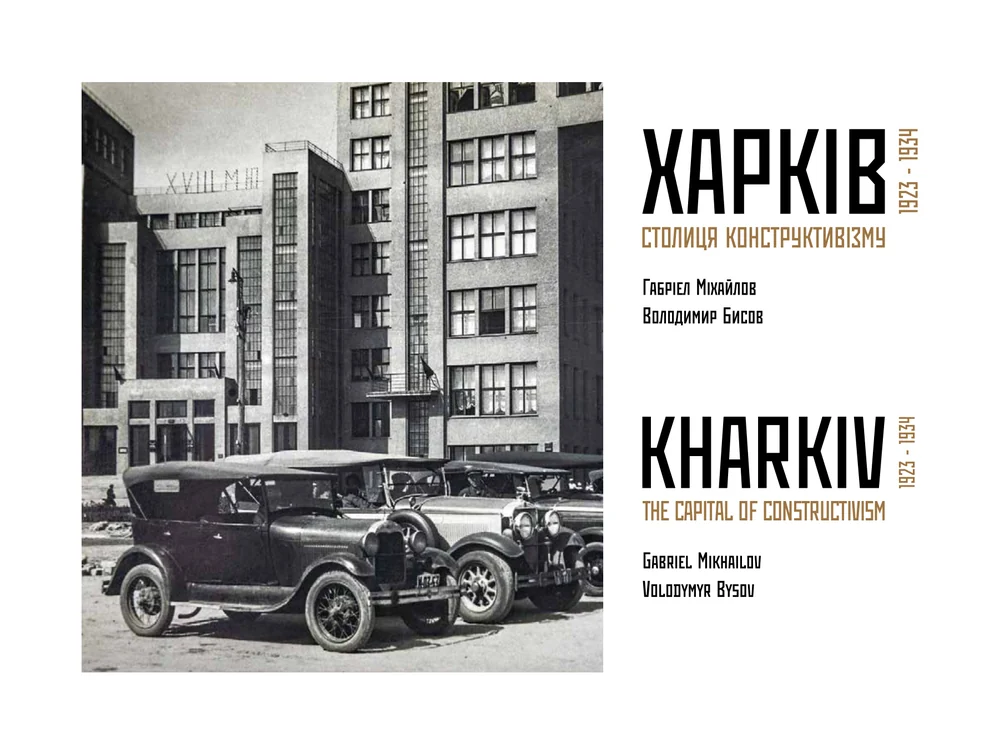
The Capital of Constructivism
Kharkiv 1925–1936
Kharkiv 1925–1936: Derzhprom and the generation that built the future.
180 pages
-
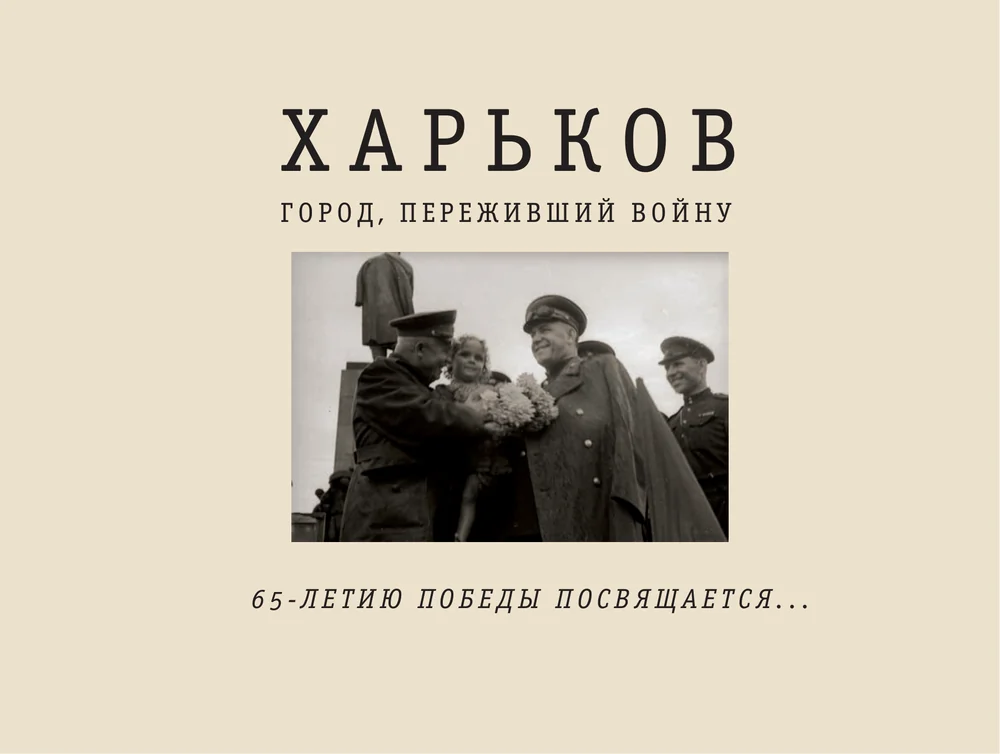
The City That Survived the War
Kharkiv 1941–1943
Four times the front line passed through the city. Chronicle and photographs.
103 pages
-
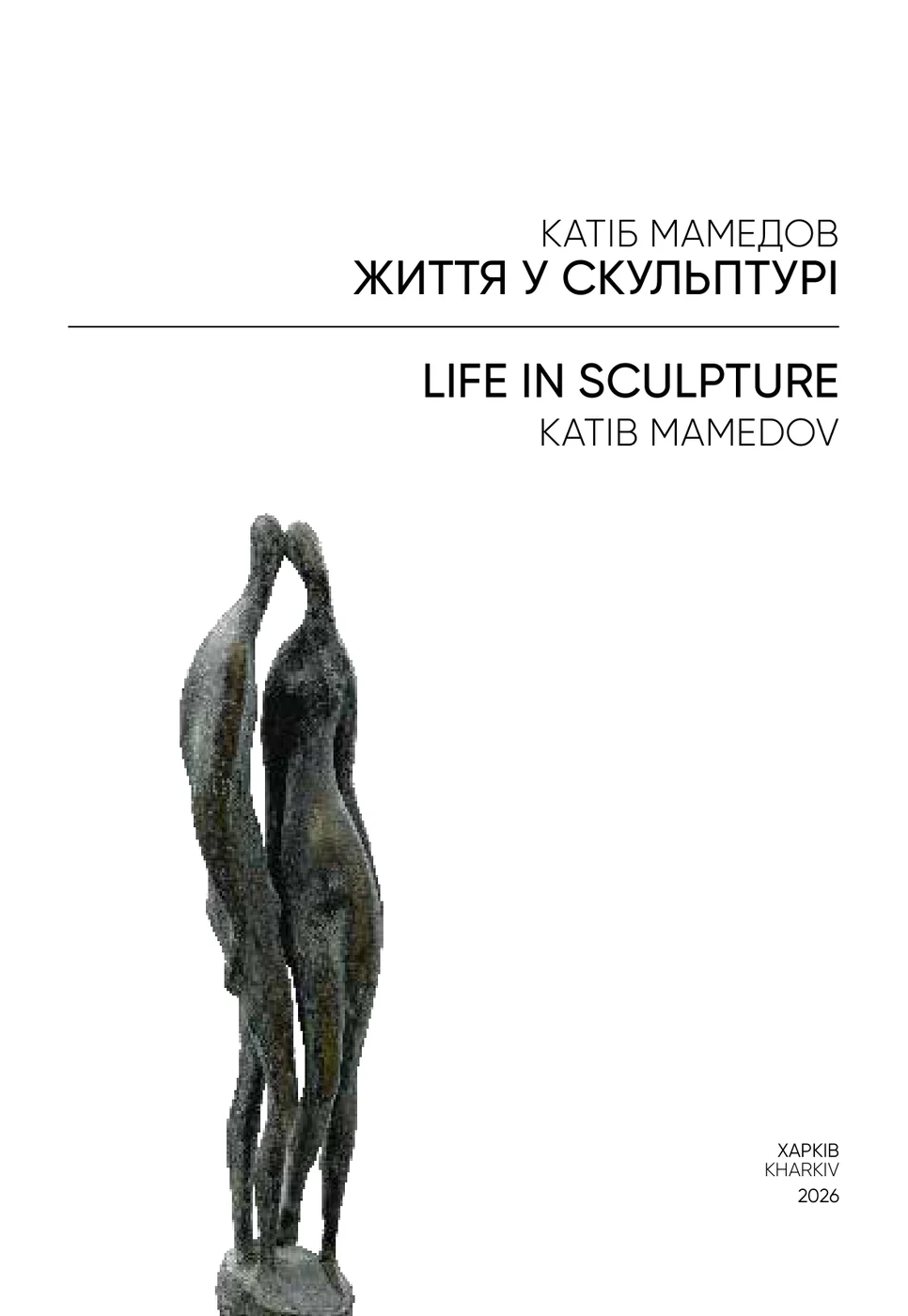
Katib Mamedov. Life in Sculpture
Bilingual edition
A sculptor whose works stand in the open air across the city. Kharkiv, 2026.
112 pages
Print runs, delivery and wholesale enquiries — hello@gabriel-co.com
Calendars, albums, books — about a city that inspires people to create space and meaning.
Does your family keep old photographs of Kharkiv? People's Archive